



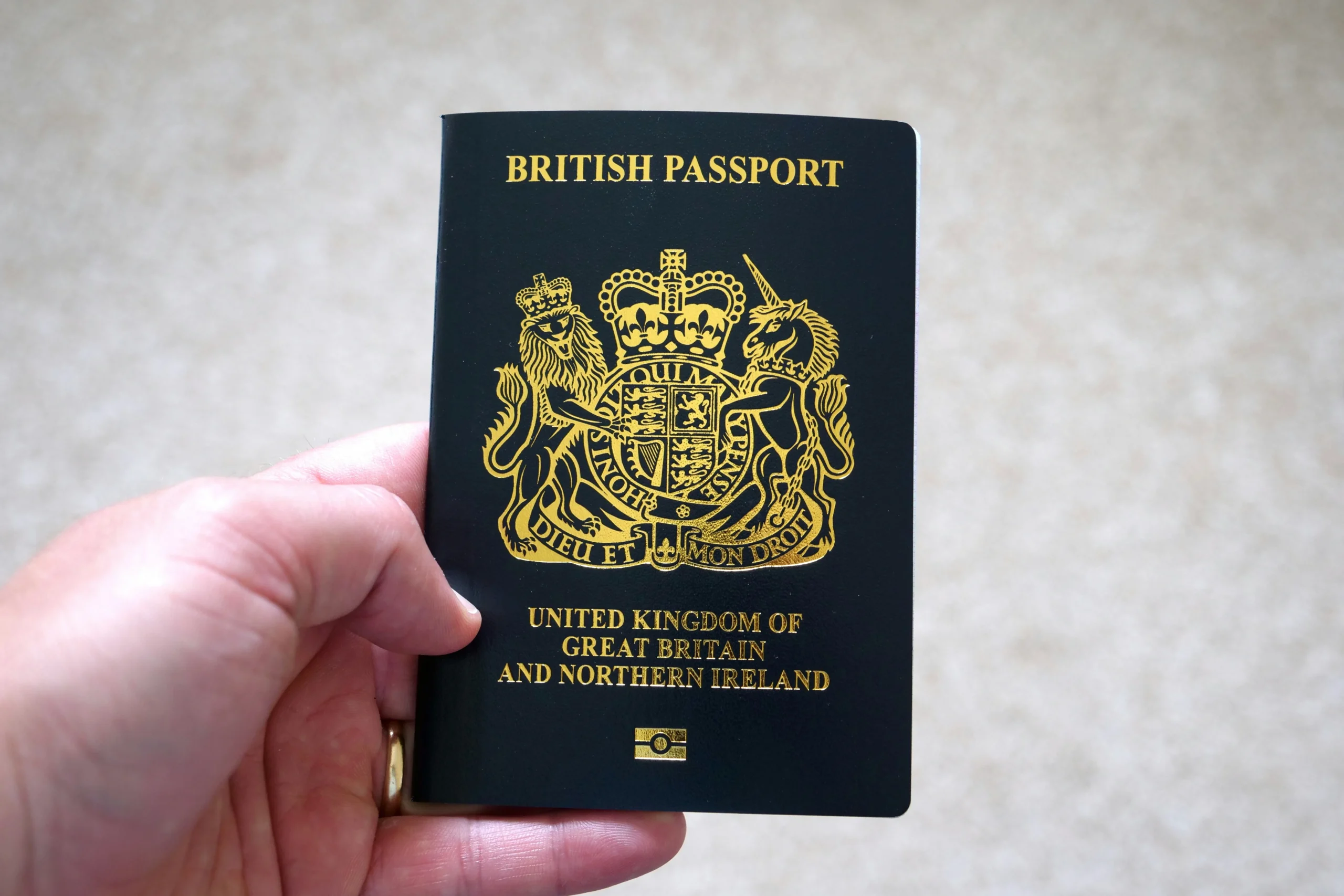
Planning an international business trip or a long-awaited overseas vacation? Before you book your flight, there is one document that stands above all others: The Passport.
While it may look like a small booklet, the passport is the most powerful tool in your travel arsenal. In this article, we will break down what a passport is, its vital functions, and why having a valid one is non-negotiable for global citizens.
What is a Passport?
A passport is an official government document that certifies the holder’s identity and citizenship. It is the primary document recognized globally for crossing international borders. It contains vital personal data, including your full name, photograph, date of birth, and the document’s expiration date.
Key Functions of a Passport
The importance of a passport extends beyond just boarding a plane. Its main roles include:
- Universal Identification: It is the only form of ID that is legally accepted by every country in the world.
- Right of Re-entry: A passport guarantees your right to return to your home country after traveling abroad.
- Consular Protection: While abroad, your passport entitles you to assistance and protection from your home country’s embassies or consulates.
- Visa Placement: It serves as the physical record for visas and entry/exit stamps, documenting your legal travel history.
Common Types of Passports
Depending on your nationality and the purpose of your travel, passports generally fall into three categories:
- Ordinary Passport: Issued to citizens for general travel, such as tourism or business. In many regions, including Indonesia, you can choose between a standard passport and an E-passport, which contains a biometric chip for faster immigration clearance.
- Official/Service Passport: Issued to government employees or military personnel traveling on official state business.
- Diplomatic Passport: Reserved for diplomats and high-ranking government officials representing their country in an official diplomatic capacity.
The Importance of the “6-Month Rule”
A common mistake many travelers make is attempting to fly with a passport that is near its expiration date. Most countries require your passport to be valid for at least 6 months beyond your date of entry. If your passport expires sooner, you may be denied boarding or entry at the border.
Why Professional Assistance Matters
While the process of applying for a passport has become increasingly digital, it remains a meticulous task. For busy professionals and corporate entities, managing documentation, securing appointment slots, and ensuring compliance with the latest immigration regulations can be time-consuming.
Utilizing a professional service ensures:
- Document Accuracy: Avoiding common errors that lead to application rejection.
- Time Efficiency: Bypassing the stress of navigating complex bureaucratic queues.
- Expert Guidance: Helping you choose the right document types (such as E-passports) to facilitate smoother global travel.
A passport is more than just a travel document; it is your gateway to the world. Ensuring yours is valid and up-to-date is the first step toward a successful international journey.
Need assistance with your passport application or other travel formalities? Contact the Biantara Jaya Services team for professional and seamless support.